



Why does a comedy series built around recurring comic types remain so recognisable in British film culture? The answer lies partly in the performers who made those types familiar, and partly in the way each film translated personality into instantly legible poster artwork.
The Carry On characters are more than names in a cast list. They're visual clues. A recognisable performer, a familiar role, a military uniform, a medical setting or a crowded ensemble can help you identify a title, distinguish character-led artwork from a group design, and judge which format might suit your wall. Original poster collecting also demands attention to the film title, cast, format, condition and authenticity.
This guide profiles eight collecting approaches through memorable Carry On figures, moving from Kenneth Williams and Joan Sims to Sid James, Barbara Windsor, Charles Hawtrey, Hattie Jacques and the wider ensemble. Along the way, you'll see how the franchise's British history, recurring performers and poster formats can guide a more confident purchase.
Table of Contents
- 1. The Golden Age Collector
- 2. The Franchise Devotee
- 3. The Aesthetic Curator
- 4. The Investment-Focused Collector
- 5. The Genre Specialist
- 6. The Regional Market Explorer
- 7. The Gift Buyer and Occasional Collector
- 8. The Niche Enthusiast
- Carry-On Characters: 8-Profile Comparison
- Choose the Character That Matches Your Collection
1. The Golden Age Collector
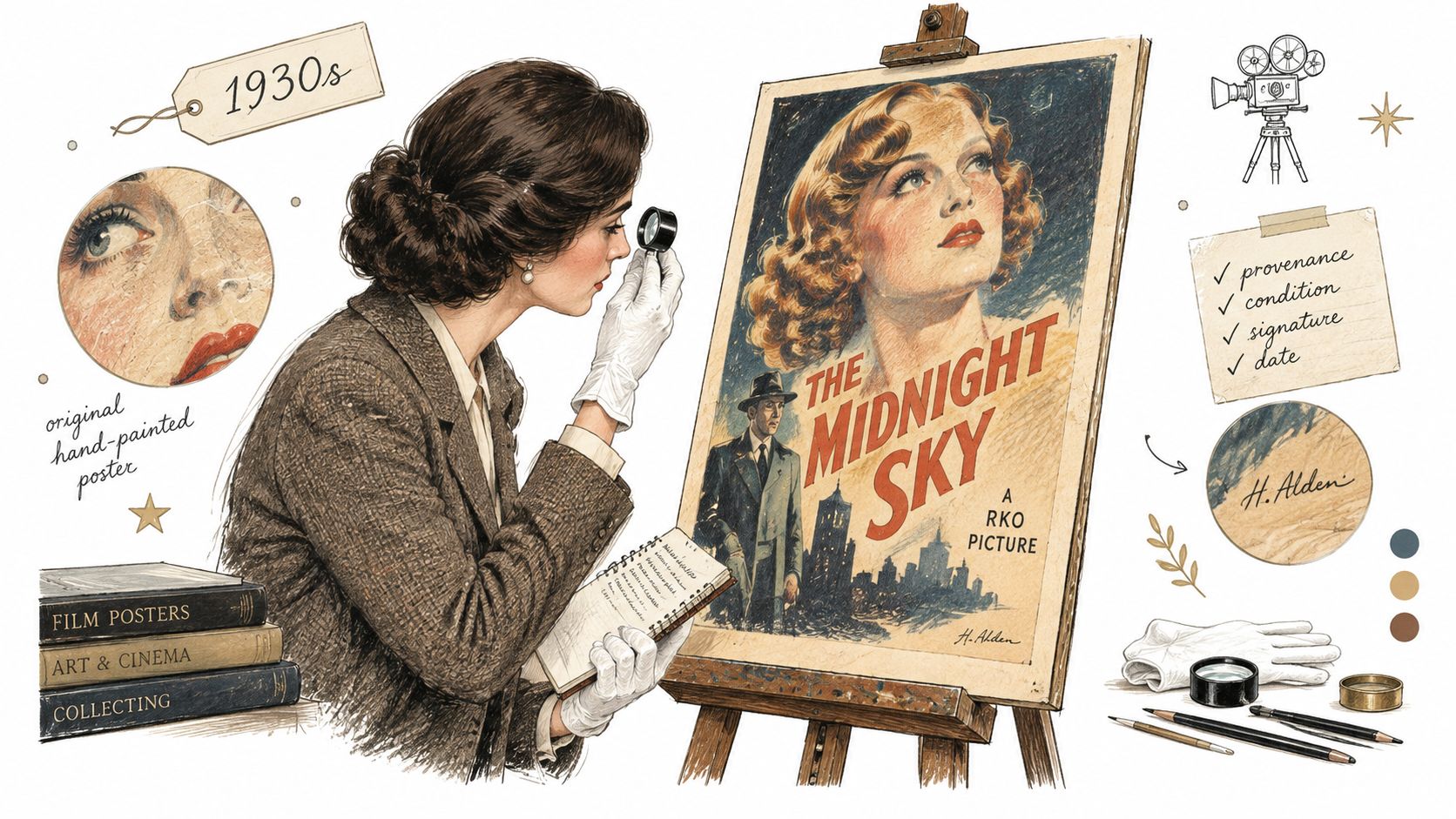
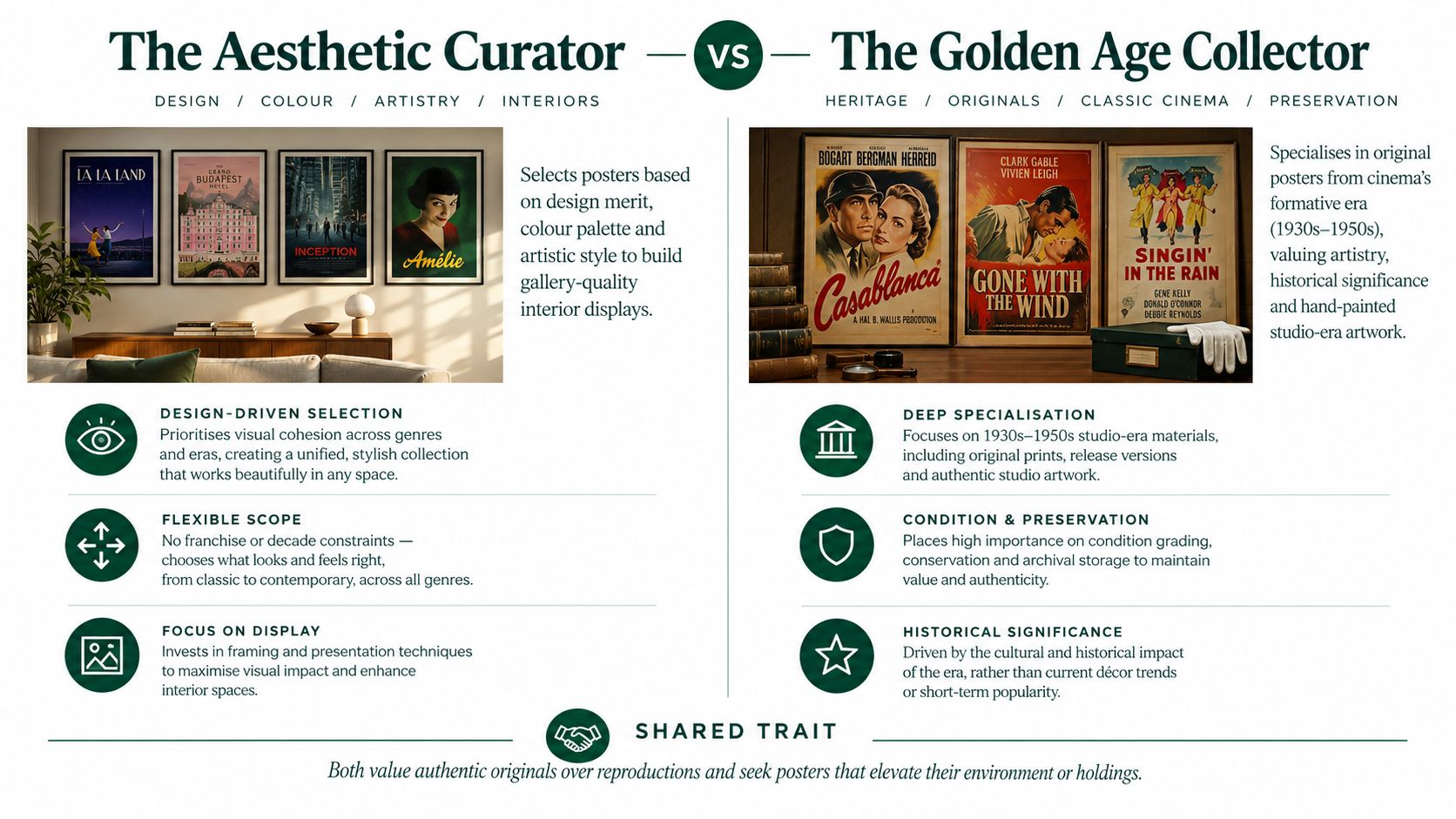
A Golden Age collector usually looks backwards, towards cinema's formative decades and the visual language of studio-era publicity. Their shelves might include a 1939 Gone with the Wind US One Sheet, Universal monster titles such as Dracula and Frankenstein, early Hitchcock releases, or MGM musicals with hand-painted artwork. The attraction is historical as much as decorative. Paper, printing, illustration and survival all matter.
Carry On doesn't belong to that earlier period, but its earliest posters still reward the same patient eye. The series began with Carry On Sergeant in 1958 and continued through 31 films to Carry On Columbus in 1992, spanning 34 years with a 14-year gap between the 1978 and 1992 entries. That long run created a broad poster history, from National Service comedy to later parody and revival formats. UK film history coverage of the Carry On series helps place those changes in context.
Read the paper as carefully as the image
For a collector drawn to early Carry On titles, the poster's age and handling history are part of its identity. Earlier posters were commonly folded when printed, while more recent examples were often rolled, a distinction noted by this UK poster format guide. Fold lines aren't automatically a reason to reject a poster, but they should be recorded and assessed alongside trimming, paper loss, staining and restoration.
A serious Golden Age approach also means learning how reprints differ from originals. Examine paper stock, printing characteristics, dimensions and provenance. Keep photographs and condition reports, store paper in acid-free materials, and use controlled display conditions rather than exposing a valuable poster to unnecessary light, heat or humidity.
Practical rule: Buy the strongest authenticated example you can understand, not simply the oldest-looking one.
Collectors wanting to compare British film history with earlier cinema design can use this guide to 1930s film posters as a starting point for visual research.
2. The Franchise Devotee
What makes a complete Carry On collection satisfying? For the Franchise Devotee, it is the visual journey: each poster adds another chapter to a recognisable screen world. A Star Wars collector might seek original trilogy theatrical posters from different regions. A James Bond enthusiast may follow the official films across decades, while another buyer assembles the Lord of the Rings and Hobbit theatrical campaigns. Continuity matters as much as owning a famous image.
Carry On suits this method because its subjects changed while its comic identity remained clear. Early titles such as Carry On Sergeant and Carry On Nurse can sit beside broader parodies including Carry On Up the Khyber, Carry On Camping and Carry On Columbus. Comparing them reveals changes in subject matter, typography, colour and the balance between a central character and a busy ensemble.
Begin with a working inventory. Record the film title, poster format, release context, condition, restoration status and whether the artwork is character-led or ensemble-based. A character-led design usually gives one performer visual priority, making it easy to connect the image with a familiar role. An ensemble poster works more like a group photograph, with several faces sharing the viewer's attention. Keep separate entries for re-releases, regional variants and later revival material, but check whether similar artwork represents a different issue.
Let the ensemble guide the sequence
Recurring performers provide useful markers across a long run. Kenneth Williams, Charles Hawtrey, Joan Sims, Sid James, Hattie Jacques and Barbara Windsor appear repeatedly throughout the series, as recorded in BFI Screenonline's Carry On overview. Their faces can help identify related artwork, especially when titles, costumes or layouts vary between releases.
Arrange the collection by release order, recurring performer or comic setting. One sequence might move from National Service to hospital, holiday and historical parody, then finish with the revival era. If wall space is limited, display one representative poster from each phase and catalogue the rest. A narrow character-led print can suit a smaller wall, while an ensemble image may need wider space to remain legible.
The same approach applies to other franchises. Star Wars retro poster guidance shows why release context and variant knowledge matter when building a coherent set.
3. The Aesthetic Curator
What should a Carry On poster do in a room? For the Aesthetic Curator, the answer starts with colour, typography, composition and visual rhythm rather than release order. A restrained monochrome design can sit comfortably beside other quiet artwork, while a bright, boldly arranged image can supply contrast against a simpler interior.
Carry On posters offer both options. A character-led design featuring Kenneth Williams gives the eye a familiar face and a clear focal point. An ensemble image spreads attention across several performers, costumes and comic situations, creating more movement and density. The first may suit a narrow wall or a display built around one recognisable character. The second often needs wider space, such as above home cinema seating or within a gallery wall.
Match character emphasis to the room
Look at the artwork from a distance. A single performer reads quickly, almost like a sign, while a crowded composition takes longer to explore. That difference helps distinguish a character-led poster from an ensemble design before you compare titles, credits or release details.
Joan Sims provides a useful visual association across different periods and comic settings. Barbara Windsor offers another recognisable link, particularly for collectors drawn to the franchise's later popular image. These actor associations do not rank one performer above another. They explain why a familiar face can make related poster artwork easier to identify, even when the title treatment or layout changes.
Build a simple mood board before buying. Record preferred colours, frame finishes, nearby artwork and the wall area available. A UK Quad measures 30 by 40 inches, or 762 by 1016 millimetres, as described in this UK cinema poster size guide. Use that footprint to test spacing and sightlines before ordering a frame.
A poster can be historically important and still feel wrong in its intended position. Good collecting allows room for both judgement and enjoyment.
Choose framing that protects the paper as well as matching the design. Acid-free backing, suitable glazing and reversible mounting offer practical protection, while a heavy-looking frame alone does not guarantee safe display.
4. The Investment-Focused Collector
Could a familiar face make a Carry On poster easier to assess? The Investment-Focused Collector begins with research rather than display. Provenance, condition, scarcity, authenticity and a title's cultural reputation all affect a purchase. Genre enthusiasm may guide the search, but it cannot establish value on its own.
Carry On offers a useful case study because its British identity endured across several decades. Its posters record changing styles of British comedy, from early National Service settings to later parody-led designs. Compare the character emphasis, cast prominence and typography across titles, then ask whether the artwork combines recognisable performers with strong design and acceptable condition.
A recurring performer works like a visual index. Kenneth Williams and Joan Sims appear across many Carry On films, so their faces can help identify related artwork when titles or layouts differ. The appearance figures cited earlier show the scale of that association, but they do not predict a poster's value. Authenticity, paper condition, restoration, title demand and the quality of the image still require separate checks. A large ensemble design may represent the franchise broadly, while a character-led poster gives one performer greater visual weight and may suit a smaller, more focused display.
Build a record before you build a portfolio
Record the acquisition date, seller, provenance, condition, restoration history and storage location. Before buying an expensive item, ask direct questions about authenticity. Treat phrases such as “style of”, “in the manner of” and “reproduction” as prompts for closer examination, not proof of an original.
Storage protects the paper and preserves the information needed to judge it later. The National Archives framework discusses BS 5454, BS 4971 and ISO 18902, alongside controlled environments and suitable conservation practice. The National Archives framework of standards gives collectors a practical reference for long-term care.
For market context, consult original movie poster price guidance. Use valuation ranges as evidence to compare, not as a promise of future returns. Buy an image you would still want on the wall if its price never rose.
5. The Genre Specialist
The Genre Specialist follows a visual language across time. A science fiction collection might move from atomic-age imagery to contemporary blockbuster design. A horror specialist may focus on Gothic monsters, creature features, slashers or psychological tension. A film noir collector often looks for stark typography, restricted colour and compositions shaped by crime, shadow and suspicion.
Carry On resists a single genre label, which is exactly why it can make an interesting specialist subject. Its films move through National Service comedy, hospital comedy, historical parody, holiday farce and broader spoof formats. A collector could focus on the franchise's treatment of institutions, travel, romance or authority rather than trying to own every title.
Characters help create that boundary. Sergeant Grimshaw and Captain Clark belong to the military-comedy associations surrounding Carry On Sergeant. Other names, including Marshall P. Knutt, appear in quiz and trivia material, but a serious reference should connect each character to the correct film, performer and setting. A UK Carry On quiz resource shows how often character recall drives public interest, while also revealing how fragmented that information can be.
Turn the collection into a visual history
Choose a theme and write down its limits. You might collect only the early service comedies, only hospital-related titles, or only posters where a recurring performer dominates the composition. Then compare typography, colour, costumes and the balance between individual faces and group scenes.
A timeline makes changes easier to see. Place earlier folded examples beside later rolled posters, but don't confuse handling format with genre identity. Record whether each piece is a UK Quad, another British format or an international issue.
International variants can deepen the story, particularly where a local distributor adapted the artwork. Keep translation notes and provenance with each item. That turns a pile of genre favourites into a documented study of how comedy was marketed.
6. The Regional Market Explorer
The Regional Market Explorer asks how the same film changes when it crosses a border. French, Italian and German posters for Hollywood films can use different illustration styles, typography and selling points. Japanese and other Asian variants may follow local design conventions, while Eastern European, Soviet-era, Latin American and Spanish-language materials can reveal distinct cultural approaches to publicity.
Carry On offers a specifically British anchor for this kind of comparison. UK Quads remain especially relevant because the franchise is rooted in British cinema culture, and the format has long been associated with the UK market. A regional collector might place a UK Quad beside a non-UK issue and examine which actors, jokes or settings receive visual priority.
Confirm the format before comparing the artwork
A British Double Crown measures 20 by 30 inches, while a Quad measures 30 by 40 inches, as outlined by this UK poster size explanation. Those dimensions aren't interchangeable. A frame, storage sleeve or shipping tube designed for one format may not suit the other.
Research the printing tradition of the market you're buying from. Learn enough of the relevant language to read seller descriptions, translated titles and condition notes, then keep your own translation alongside the poster record. Provenance can be harder to interpret when documentation crosses languages, so clarity matters.
Budget for shipping, customs and import charges where applicable, and ask how the seller will protect folded or rolled material. Regional collecting rewards patience. The best comparison may not be the loudest design, but the one that shows most clearly how local audiences were expected to understand the film.
7. The Gift Buyer and Occasional Collector
The occasional buyer wants a confident choice, not a complete map of the franchise. Start with the recipient's taste, then check authenticity, condition and display requirements. A Carry On gift might suit someone drawn to Kenneth Williams' comic persona, Joan Sims' familiar presence, Sid James' screen energy or Barbara Windsor's association with the series' later public image.
That preference helps identify the artwork. A character-led poster gives one performer visual priority, much like choosing a portrait rather than a group photograph. An ensemble design may show several cast members, jokes or settings at once, making it better for someone who enjoys the franchise as a whole.
Format should be checked before purchase. A UK Quad measures 30 by 40 inches. Measure the intended wall and confirm that the frame matches the poster, rather than relying on the vague phrase “standard movie poster”. British and American formats can differ considerably, and a frame bought for one may not fit the other.
Keep the buying process simple
Choose a retailer that states whether the item is an original or a reprint, describes its condition clearly and provides practical framing information. If the preferred title is unavailable, a gift voucher leaves the final artwork choice with the recipient. A Request a Poster service may also help locate a particular film through established dealer networks.
Occasional buyers still need to protect the poster. Conservation Resources describes buffered, acid-free wrapping paper made from calcium carbonate buffered alpha cellulose fibre. Its reference also explains how buffered acid-free board supports a more suitable alkaline environment: This archival wrapping paper reference.
Choose proper framing instead of leaving the poster in a tube. For a gift, the right character focus, accurate format and safe presentation turn a casual purchase into artwork the recipient can enjoy.
8. The Niche Enthusiast
The Niche Enthusiast sets boundaries other collectors might overlook. They may pursue Hammer Films horror from the 1950s to the 1970s, Japanese kaiju posters, every film featuring a particular actor, or one director's complete body of work. The reward is intellectual coherence. Each acquisition answers a research question.
A Carry On niche could centre on one performer, one period or one recurring comic setting. Kenneth Williams' extensive run makes him an obvious route into actor-led collecting, while Charles Hawtrey, Sid James, Joan Sims, Hattie Jacques and Barbara Windsor each offer different paths through the franchise. The numbers are useful for defining scope, but the poster artwork determines how that history appears on the wall.
Another option is to follow character archetypes. Military officers, nurses, holidaymakers, officials and romantic leads can be compared across titles, with attention to how the films adjusted familiar types for different comic situations. The character names matter because they provide an indexing system, not because every role received equal poster prominence.
Document the overlooked connections
Start with a written scope. Define the films, performer, decade, studio or design movement you'll include, then record exclusions so the collection doesn't expand without purpose. Search dealer catalogues, film programmes, specialist forums and archive references, but separate confirmed information from seller shorthand.
A niche collection benefits from international relationships. Specialist dealers may know about material that never reaches a general catalogue, while film festivals and collector communities can provide leads and interpretation. Keep photographs, translations, condition reports and provenance together.
The wider cultural context is also useful. UK collecting is an established consumer habit, with a 2019 poll reporting that 83% of Britons had collected something during their lifetime and 57% were actively collecting at the time. The same poll recorded an average collection size of 159 items and average spend per collection of £1,200. The Independent's report on the UK collecting poll provides that context, but a niche collector still needs a personal purpose rather than a generic market argument.
Carry-On Characters: 8-Profile Comparison
| Collector profile | Complexity 🔄 (implementation) | Resources ⚡ (requirements) | Expected outcomes ⭐📊 | Ideal use cases | Key advantage(s) 💡 |
|---|---|---|---|---|---|
| The Golden Age Collector | High 🔄 specialised authentication, restoration & archival skills | High ⚡ significant capital, climate-controlled storage, expert dealers | High ⭐📊 strong long-term appreciation and cultural/historical value | Museum-quality preservation, historical collections | Rare originals, superior hand-painted/artwork, strong provenance |
| The Franchise Devotee | Medium–High 🔄 ongoing variant tracking across markets and re-releases | Medium ⚡ time, storage space, budget for rare regional variants | Medium–High ⭐📊 premium for complete sets; strong visual narrative | Fans completing franchise runs, exhibition chronology | Clear goals; community trading; collectible complete sets |
| The Aesthetic Curator | Medium 🔄 design-led selection and cohesive display planning | Medium ⚡ budget for striking pieces and professional framing | Medium ⭐📊 high visual impact; resale depends on market taste | Interior design, gallery-style home displays | Cohesive, gallery-quality visuals matched to personal taste |
| The Investment-Focused Collector | Very High 🔄 market analysis, provenance verification, risk management | Very High ⚡ large capital, authentication fees, insurance, archival conservation | High ⭐📊 potential strong financial returns but with volatility & liquidity limits | Alternative-asset portfolios, high-value acquisitions | Tangible scarce assets with documented provenance for wealth preservation |
| The Genre Specialist | Medium 🔄 focused research on conventions, eras and key titles | Medium ⚡ time, community networks, targeted sourcing budget | Medium ⭐📊 coherent historical narrative and specialist recognition | Genre exhibitions, academic study, thematic displays | Deep expertise, engaged communities, rich visual evolution insights |
| The Regional Market Explorer | High 🔄 international sourcing, language and customs complexity | High ⚡ global dealer contacts, shipping/customs costs, cross-border logistics | High ⭐📊 unique, often scarce variants with cultural insight and collector value | Comparative cultural collections, rare regional variants | Access to rare regional aesthetics and under‑collected materials |
| The Gift Buyer & Occasional Collector | Low 🔄 straightforward purchase process with emphasis on authenticity | Low–Medium ⚡ modest budget, use of curated selections and framing guides | Low–Medium ⭐📊 strong personal/display value; limited investment upside | Gifts, casual décor, first-time collectors | Ease of purchase, immediate display appeal, low commitment |
| The Niche Enthusiast | Very High 🔄 deep specialist research; narrow, often obscure focus | Medium–High ⚡ extensive research time, specialist dealers, possible travel | Medium–High ⭐📊 potential undervalued appreciation and scholarly recognition | Specialist exhibitions, research-led collections | Low competition, discovery potential, recognised subject‑matter expertise |
Choose the Character That Matches Your Collection
The strongest collecting approach begins with a clear purpose. You might want a complete Carry On set, a performer-led run, a comedy or genre timeline, a poster that suits one room, a thoughtful gift, or a narrow research project built around one overlooked connection.
Start by choosing your focus. If you're drawn to recurring performers, identify the relevant character-led artwork and note which films and roles it represents. If you prefer the franchise as a whole, look for ensemble images that show how the cast and visual identity changed across the run. A character-led design usually gives one performer visual priority, while an ensemble poster asks you to read several faces and comic situations together.
Next, check the format. Confirm whether the item is a UK Quad, Double Crown, US One Sheet or another issue, then compare the stated measurements with your available wall and frame. A UK Quad measures 30 by 40 inches, so it needs more planning than a small decorative print. Ask whether the poster was folded or rolled, inspect fold lines and paper condition, and request clear photographs where the listing doesn't explain restoration or handling.
Authenticity deserves equal attention. Look for a seller that clearly distinguishes guaranteed originals from reproductions, documents provenance where available and explains condition. Famous Movie Posters is a UK source for verified original film posters, with catalogue browsing organised around decades, genres and franchises. Its editorial material also covers poster sizes, preservation and display, while framing options, gift vouchers and Request a Poster support can make the buying process more practical.
Plan archival display before the purchase arrives. Use acid-free materials, avoid unnecessary humidity and heat, and choose framing that allows the poster to be protected without irreversible mounting. For storage, acid-free tissue, suitable archival enclosures and careful handling reduce avoidable risks. The aim isn't to keep a poster hidden. It's to make sure you can enjoy the artwork while respecting the paper's age and condition.
Whether your favourite is a sharp-tongued Kenneth Williams role, a Joan Sims ensemble appearance, a Sid James comic presence, a Barbara Windsor association or a more specialised character such as Sergeant Grimshaw, let the choice serve the collection. A recognisable face can open the door, but research, format knowledge and honest condition assessment are what make the purchase satisfying.
Famous Movie Posters offers guaranteed original film and cinema posters, including UK Quads, with framing guidance, gift vouchers and a Request a Poster service for hard-to-find Carry On titles. Visit Famous Movie Posters to browse authentic posters by decade, genre and franchise, then choose the character-led or ensemble artwork that fits your collection.