



You've found a Quadrophenia movie poster at a vintage market. The colours look convincing, Jimmy is unmistakable on his Lambretta, and the shape suggests a British Quad. Then you notice the seller's description says only “vintage style”, or the measurements are slightly vague. Before you reach for your wallet, one question matters: are you looking at an original 1979 cinema poster, an authorised promotional variant, or a later reproduction?
That distinction matters because Quadrophenia isn't merely a stylish film about scooters and parkas. It links The Who's 1973 rock opera with the genuine Mods-and-Rockers conflict of 1964 and the British mod revival of the late 1970s. The original poster is therefore a piece of cinema advertising and a document of British youth culture. The British Film Institute records Quadrophenia as a 1979 UK production directed by Franc Roddam, with a running time of 120 minutes, and records its London premiere at the Plaza cinema on 16 August 1979 before its public opening the following day, as detailed in the BFI film record for Quadrophenia.
Table of Contents
- The Quadrophenia Poster Collector's Dilemma
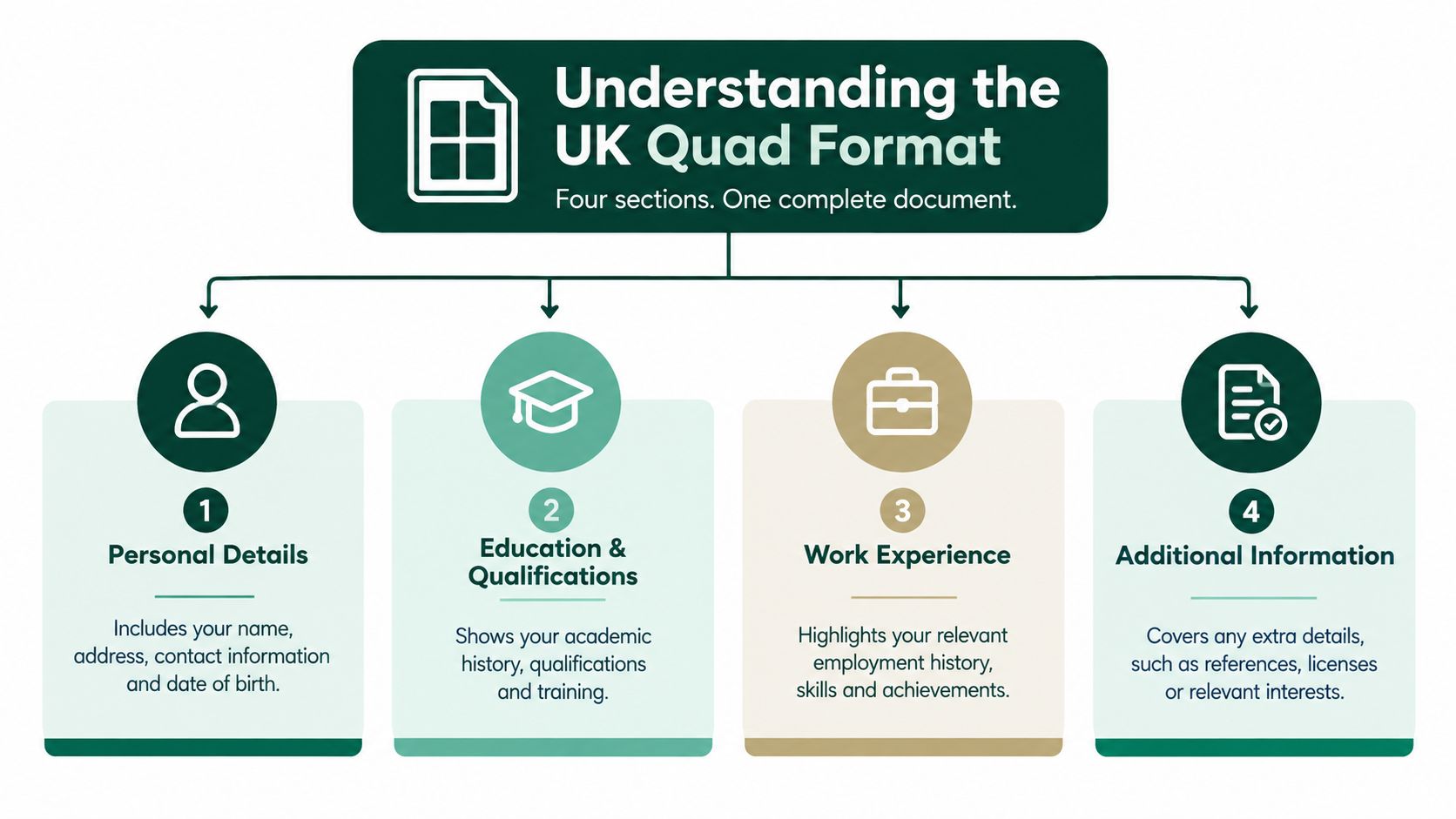
- Understanding the UK Quad Format
- How to Authenticate Your Quadrophenia Poster
- Original Prints Versus Reprints and Variants
- Condition, Value, and Long-Term Preservation
- Why Verified Originals Matter for Collectors
- Sourcing Strategies for Serious Collectors
The Quadrophenia Poster Collector's Dilemma
The first mistake buyers make is treating the image as the object. A reproduction can copy the artwork, title lettering and colour palette remarkably well, but it can't reproduce the commercial history of a sheet that was printed, folded and distributed to British cinemas for the original campaign. With Quadrophenia, that history is especially legible because the film arrived at a clearly defined UK release moment rather than being discovered only through a later home-video revival.
The poster belongs to a film rooted in several overlapping British stories. The Who's album supplied the musical foundation, the screenplay dramatised the tensions surrounding Mods and Rockers, and the 1979 release connected that earlier youth identity to contemporary fashion and music culture. London and Brighton aren't decorative settings in this context. They place the film, and its advertising, within a recognisable geography of British youth culture.
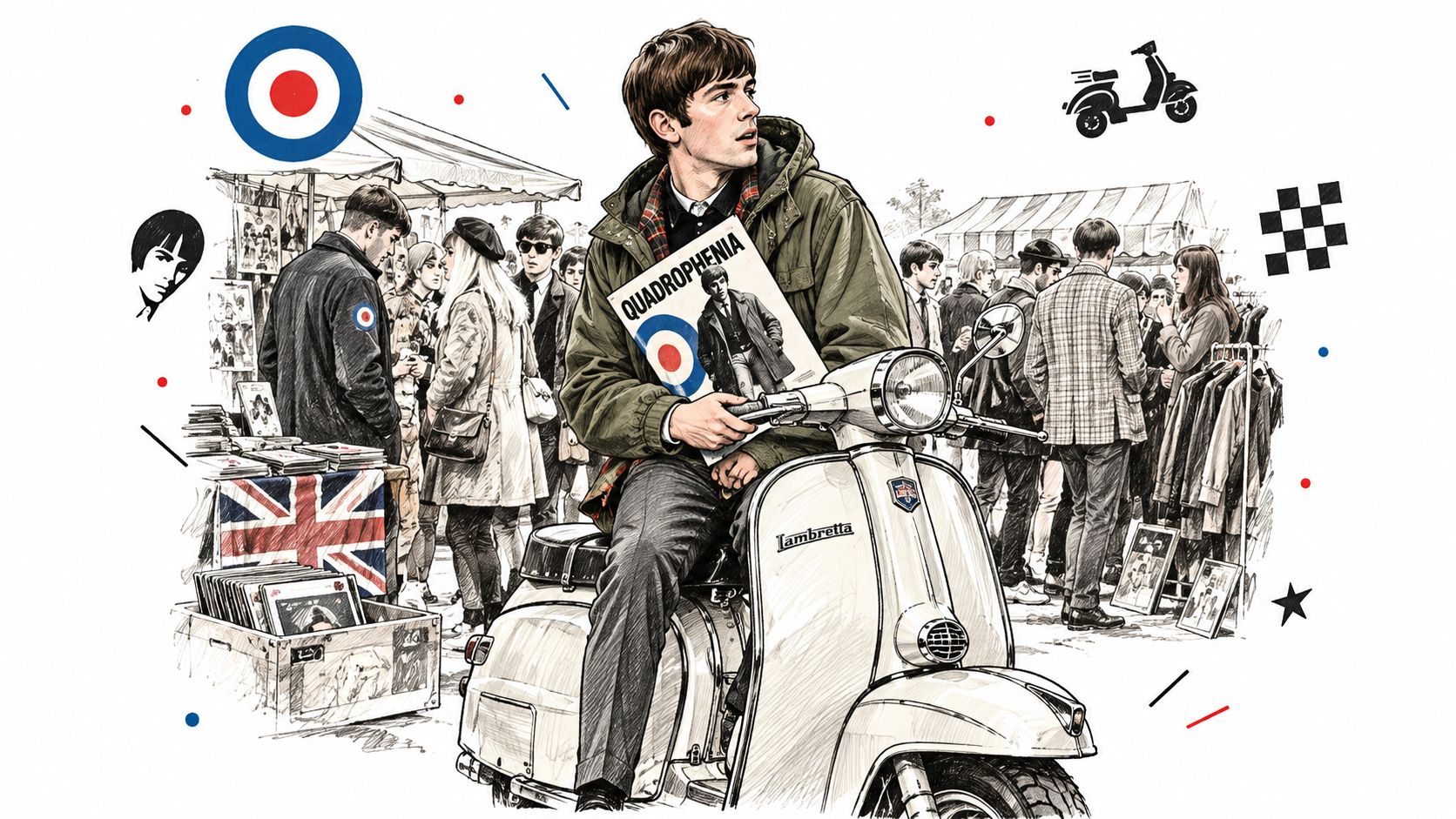
Why the release context matters
The film made an immediate impression at the UK box office. Contemporary figures recorded an opening week gross of £36,472 from four London cinemas, placing it second behind Moonraker at the London box office. Later scholarship identifies Quadrophenia as the eighth most successful picture of 1979 at the UK box office, while also recording that it earned more than £36,000 in its first week in the capital. Those figures are reported in the documented release and box-office history for Quadrophenia).
That performance helps explain why the original UK campaign deserves more respect than a generic nostalgia image. The poster promoted a commercially significant British release, and its visual language quickly moved beyond cinema. The same film history records Levi's using a still of Jimmy on his scooter in a 1979 advertising campaign with the slogan “Some things never go out of fashion”. The image had entered wider youth and fashion marketing while the film was still part of contemporary culture.
Collector's principle: buy the sheet as evidence of a release, not merely as decoration.
A genuine Quad is valuable to different collectors for different reasons. A film-poster specialist may care about format and condition. A Who fan may value the connection to the rock opera. Someone interested in scooters, fashion, London, Brighton or regional youth history may see the poster as a broader cultural artefact. Authentication protects all of those meanings. It tells you whether the piece on your wall belongs to the 1979 British theatrical campaign.
Understanding the UK Quad Format
A British Quad is a wide cinema poster measuring approximately 30 by 40 inches, or 76.2 by 101.6 centimetres. The dimensions and horizontal layout are not optional details. They identify the standard UK theatrical format for the 1979 Quadrophenia release, as documented by the UK Quad poster specification.
The name comes from the traditional British cinema format, not from the film's title. Its proportions suit a wide display panel, allowing the artwork, title and billing to work across the sheet. That makes it entirely different from the portrait-oriented US one-sheet, even where both posters promote the same film. American and British campaigns could use different artwork, different typography and different layout priorities, so a seller showing a portrait poster hasn't necessarily shown you a British Quad.
Format is a physical test
Measure the paper itself, not the listing's frame or mount. A nominally similar frame can conceal a poster that's been trimmed, mounted or altered. A portrait frame intended for a US one-sheet won't provide the correct support for a horizontal Quad, and forcing the poster into the wrong orientation can create pressure at the corners or encourage an unsuitable crop.
The practical sequence is simple:
- Check orientation. The original UK Quad is horizontal.
- Measure the sheet. Look for approximately 30 × 40 inches, allowing for the realities of handling and condition.
- Inspect the edges. Trimming, excessive cropping or concealed margins deserve an explanation.
- Match the frame to the format. Use a frame with enough depth for the glazing, backing and poster support.
The format also tells you how the poster was intended to live. It was made for cinema display, not for a domestic picture frame, and that distinction affects folds, edge wear and mounting decisions. A poster that looks too pristine, too rigid or too perfectly flat may need closer examination rather than instant approval.
For a concise explanation of how this format differs from a US one-sheet, see this guide to one-sheet and Quad poster formats.
The following video can provide useful visual context for the film and its poster culture, but moving images alone can't authenticate a sheet. Always return to the paper, dimensions and provenance.
How to Authenticate Your Quadrophenia Poster
Authentication works best as a cumulative assessment. No single feature proves that a Quadrophenia poster is original, and no single flaw automatically proves that it's fake. Check the physical object in a fixed order, record what you find, and ask the seller to explain anything that doesn't fit the expected history.
Start with paper and print
Original cinema posters were produced on paper intended for temporary display and distribution. After decades, that stock can show natural tonal change, handling marks and variation across the sheet. Don't confuse age with dirt, and don't assume an artificially yellowed sheet is old. A modern reproduction can be distressed, while an original can have been carefully stored and remain comparatively clean.
Run your eyes across the surface under angled light. Look for a convincing relationship between the printed colour and the paper beneath it. Extremely flat digital colour, suspiciously sharp modern detail or a glossy finish can be warning signs, particularly when the seller claims the item is a first-release Quad. Ask for close photographs of the paper grain, corners, reverse and any printer or distributor information.
Treat folds as evidence, not an automatic defect
British Quads were commonly machine-folded before issue, especially on posters produced before 1985. That means fold lines on an original Quadrophenia poster can reflect normal cinema distribution rather than careless storage, as explained in this reference on common British poster sizes and folding.
Look for a coherent fold pattern that runs through the sheet and makes sense for machine distribution. A fold that stops abruptly, sits at an unusual angle or appears only in one area may indicate later damage or manipulation. Heavy splitting, tape stains and missing paper still affect condition, but the existence of folds alone shouldn't make you reject an otherwise credible example.
Confirm size, dates and ownership history
A sheet that doesn't match the 30 × 40-inch orientation specification needs a clear explanation. It may be a different authorised promotional piece, a trimmed example or a later reproduction. It shouldn't be described casually as the standard UK Quad without supporting evidence.
Then examine the paper trail. Auction records, dealer invoices, cinema estate material, family ownership history and photographs showing the poster in situ can all help. Provenance is often incomplete for mass-market cinema posters, so the absence of paperwork isn't conclusive, but a confident seller should still be able to explain where the item came from and why they identify it as an original.
The BBFC records cinema distribution for Quadrophenia in 1979, including a release handled by Brent Walker Film Distribution on 19 March 1979. That release information, found in the BBFC record for Quadrophenia, can help separate original-release material from later revival or re-release advertising.
For wider collecting guidance on original British material, consult this guide to original UK movie posters.
Original Prints Versus Reprints and Variants
Not every legitimate Quadrophenia image is the main theatrical Quad. The 1979 UK campaign included more than one authorised promotional print, so a smaller or differently mounted piece may be genuine without being the standard cinema poster. The collector's job is to identify the object accurately, not to force every attractive image into the most desirable category.
Documented UK-release material includes a 12 × 15½-inch card-mounted promotional print showing Jimmy with his Lambretta, as well as a Levi's tie-in version. The campaign therefore gives buyers several opportunities to encounter authentic promotional material that isn't a 30 × 40-inch British Quad. Details of these variants are recorded in the Quadrophenia poster format archive.
Compare the object, not just the artwork
| Format | Size | Origin period | Key identifiers |
|---|---|---|---|
| Standard British Quad | Approximately 30 × 40 inches | 1979 UK theatrical campaign | Landscape layout, cinema-poster proportions, folded-as-issued examples may exist |
| Card-mounted promotional print | 12 × 15½ inches | Around the 1979 UK debut | Smaller format, card mounting, Jimmy with his Lambretta |
| Levi's tie-in version | Not treated as the standard Quad | Around the 1979 campaign | Advertising connection and imagery associated with the Levi's promotion |
| Later re-release or reproduction | Varies | Later than the original campaign | Different paper, production finish, release context or unsupported claim of first-release status |
Size and imagery can narrow the possibilities, but they can't settle the question alone. Compare paper characteristics, printing quality, edge condition, mounting, folds and any release or distributor information. A later re-release may look excellent and still be a legitimate collectible. The problem arises when a seller presents it as an original first-release Quad.
Walk-away rule: uncertainty is acceptable when it's disclosed and priced honestly. Misdescription is the problem.
Be wary of listings that use “original” without specifying format, show only a framed front image, or avoid photographs of the reverse and edges. “Vintage” describes appearance, not origin. If the seller won't provide dimensions or answer basic questions about provenance, don't let a familiar image create urgency.
Condition, Value, and Long-Term Preservation
Condition is where collecting becomes personal. A folded Quad with small edge losses may be less visually polished than a backed and restored example, yet those folds can document the way British cinemas received and used the poster. Conversely, a beautifully presented sheet can have undergone conservation that changes its original state. Neither choice is automatically right for every collector.
Decide what you're preserving
For a display-led collection, professional linen backing may stabilise a fragile sheet and improve presentation. It can also reduce the visibility of folds and make framing easier. For a collector focused on untouched paper, the intervention may be undesirable because it adds a treatment history and alters the object from its original condition.
Ask what you want the poster to say:
- Period cinema artefact: retain original folds and accept honest handling marks where the paper remains stable.
- Clean wall display: consider conservation only after an experienced paper conservator assesses the sheet.
- Investment-minded purchase: prioritise accurate description, stable condition and documented treatment over cosmetic perfection.
- Family or gift display: use protective framing and avoid placing the poster where sunlight or moisture can create rapid damage.
A conservator should explain what will be done, what evidence of repair will remain and whether the treatment is reversible. Avoid home ironing, aggressive flattening, household tape and direct adhesive contact. These shortcuts can remove information that a future buyer or conservator needs.
Frame and store with restraint
Use glazing with UV protection and keep the framed poster away from direct sunlight, radiators, damp walls and areas with large temperature swings. A proper backing board should support the sheet without pressing it against the glazing. Allow enough frame depth for the poster, mount and protective materials, particularly if the sheet has been backed.
For storage, use a flat, archival environment rather than a loft, shed or loosely rolled tube. An archival storage box for film posters offers better protection from handling, dust and environmental exposure than improvised household packaging.
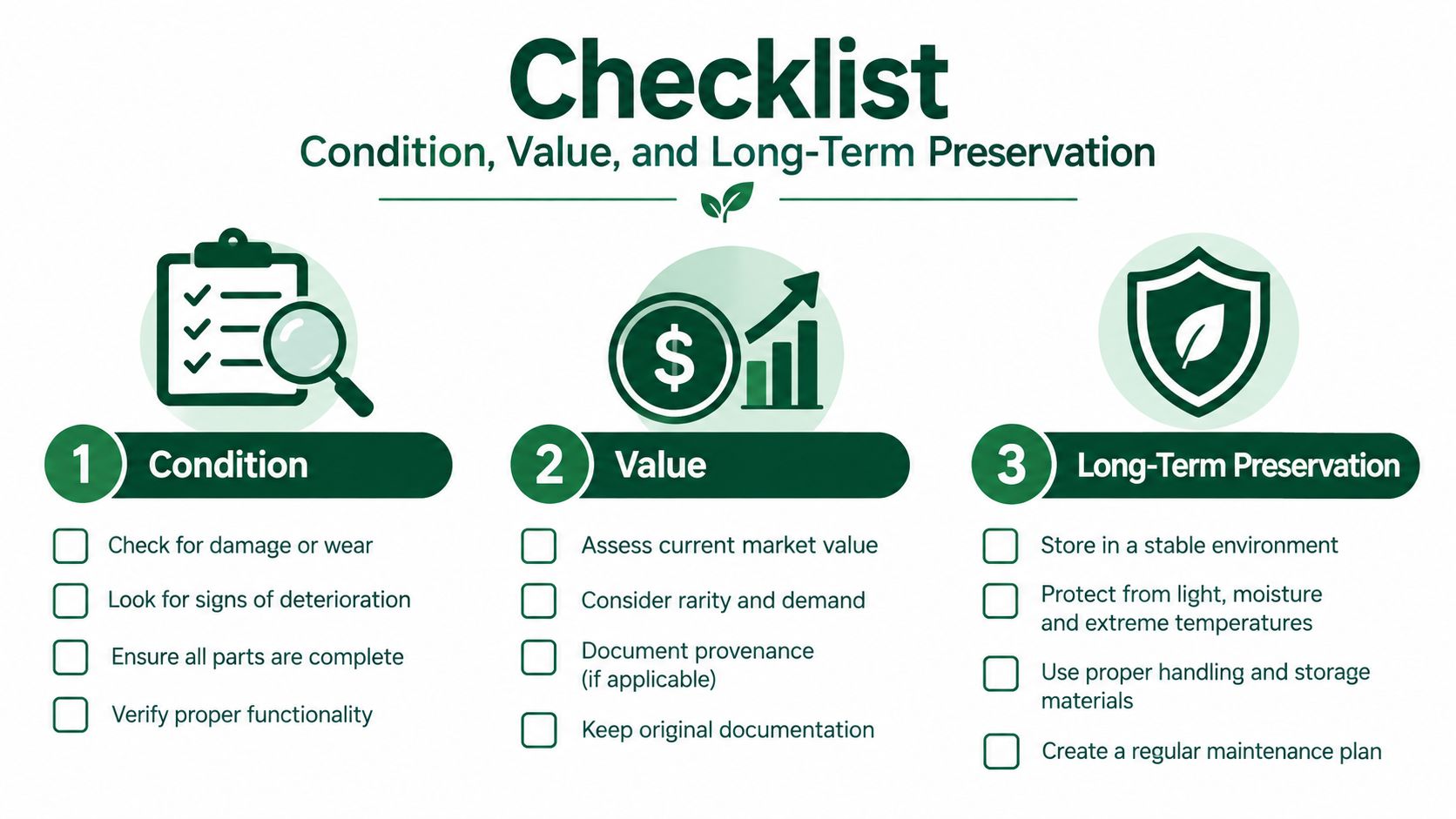
Preservation rule: stabilise weakness before improving appearance. A clean-looking poster with poorly treated paper is not a successful restoration.
Keep photographs and notes of the poster before and after framing. Record dimensions, folds, repairs, backing, seller details and purchase documentation. That file protects your own understanding of the object and gives the next custodian a reliable history.
Why Verified Originals Matter for Collectors
A cheap reproduction can satisfy a room-design brief, but it can't satisfy a historical collecting brief. The difference isn't only financial. An original UK Quad carries physical evidence of how a British cinema campaign operated, from the format and paper to the folds created before the sheet reached its intended display location.
The risk of misrepresentation is highest when listings use broad language. “Classic poster”, “vintage print” and “retro artwork” may all describe a reproduction without technically making a false claim. A serious buyer should look for precise wording: original or reproduction, UK Quad or another format, first release or re-release, folded or flat, backed or unbacked.
What verification should provide
A responsible seller should be able to give you more than a front-facing photograph. Look for:
- Exact dimensions: the sheet, not the frame.
- Format identification: British Quad, card-mounted promotional print or another variant.
- Condition disclosure: folds, tears, paper loss, stains, restoration and backing.
- Origin information: previous ownership, dealer history, auction history or campaign context where available.
- Clear returns: a practical way to challenge an item that doesn't match its description.
Packaging also matters. A genuine poster can arrive damaged if the seller uses an unsuitable tube, allows movement inside the package or puts the sheet into direct contact with abrasive materials. Acid-free tissue, protective wrapping and a tube suited to the format reduce avoidable handling damage during delivery.
Cultural value is not the same as investment appeal
The British Quad's cultural meaning can outweigh its investment appeal for a collector who cares about mod history, The Who, British cinema or scooter culture. It may be the right purchase even when another format appears cleaner or more fashionable. A portrait one-sheet could suit a narrow wall, but it won't carry the same UK cinema-format significance as the Quad.
Treat price as one part of the decision, not proof of authenticity. A high asking price doesn't establish originality, and a low price doesn't automatically indicate a bargain. The strongest purchase combines credible identification, honest condition reporting and a format that matches your collecting purpose.
Sourcing Strategies for Serious Collectors
Start with the seller, not the search result. Specialist dealers can explain format distinctions and condition in language that a general marketplace listing often avoids. Auction houses may provide useful lot descriptions and sale histories, but you still need to examine photographs and read every qualification. Collector forums can reveal useful comparisons, although community enthusiasm isn't the same as formal authentication.
Ask questions that expose the object's history
Before buying, send a short, specific list:
- Is this the standard 30 × 40-inch British Quad, or another UK promotional format?
- What are the exact paper dimensions?
- Is it folded as issued, rolled, trimmed, mounted or linen-backed?
- Are there repairs, retouching, tape marks, paper losses or conservation treatments?
- What is known about its previous ownership or source?
- Is it guaranteed original, and what happens if the description proves inaccurate?
- How will it be packed for delivery?
A credible seller won't treat these questions as an inconvenience. They may not know the complete chain of ownership, but they should separate confirmed information from assumption. Ask for photographs of the front, reverse, folds, corners and edges before committing to a higher-value purchase.
Use specialist channels intelligently
A retailer's “Request a Poster” service can be useful when a title isn't currently listed. The service should still produce the same checks as a catalogue purchase, including format, authenticity, condition and return terms. A partner network can locate an item, but the buyer needs the final description and photographs before paying.
Collector groups are valuable for identifying artwork variants and spotting recurring misdescriptions. Use them to build knowledge, not to outsource responsibility. Save comparable examples, record seller names and compare the language used for originals, re-releases and reproductions.
International buying adds further practical concerns. Confirm who handles customs, how the poster will be protected in transit and whether the seller uses a format-appropriate tube. For UK purchases, check delivery terms and payment protection before transferring funds, particularly when buying from an unfamiliar individual.
Build a relationship, not just a transaction
The best dealers remember the categories you collect and can contact you when a suitable sheet appears. Tell them whether you want an untouched folded Quad, a display-ready backed example, a promotional variant or just an authentic poster at a sensible condition level. That information lets them offer relevant material instead of pushing the first Quadrophenia image they find.
A first-time gift buyer should prioritise accurate format identification and a clear return policy. An experienced collector can be more selective about folds, restoration and provenance. In both cases, the winning habit is the same: slow down, measure the paper, ask direct questions and buy the object that has been described, not the object you hope it is.
Famous Movie Posters offers guaranteed original film and cinema posters, including UK Quads, with specialist sourcing through its Request a Poster service. Browse the collection and contact Famous Movie Posters when you want help finding an authenticated Quadrophenia poster for your wall or collection.